OUR RESEARCH PROGRAM
Our research sits at the intersection of clinical rhinology and translational science. Every question we investigate originates in clinical practice — in the patients we see, the diseases we treat, and the gaps between what current evidence tells us and what our patients actually need. The group has published more than 300 peer-reviewed articles, books, and book chapters across three core research themes.
Explore our research themes
Chronic Rhinosinusitis, Allergy and Precision Treatment
How disease classification, allergy assessment, topical treatment, surgery and biologics shape care for chronic rhinosinusitis.
Explore chronic rhinosinusitis researchNasal Breathing, Airflow and Functional Outcomes
Connecting symptoms, nasal physiology and airflow testing with durable outcomes after nasal airway surgery.
Explore nasal breathing researchEndoscopic Skull Base and Pituitary Surgery
Multidisciplinary care, reconstruction, preservation of nasal function and the long-term behaviour of pituitary tumours.
Explore skull base and pituitary researchExplore the academic leadership, publications and educational work behind the program.
Research and Academic Leadership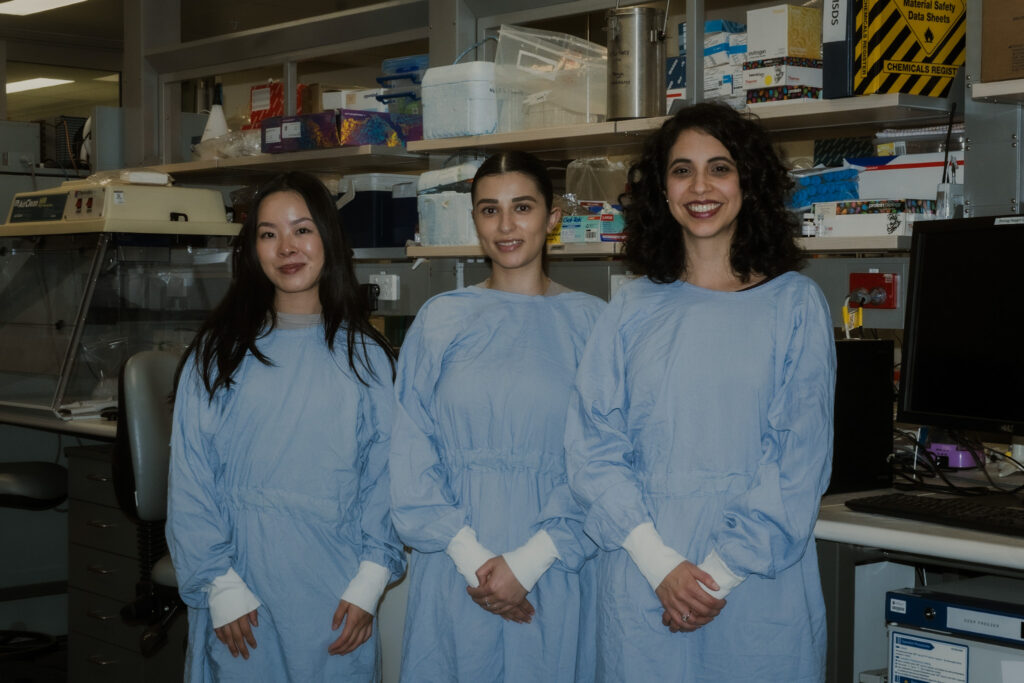
RESEARCH AT A GLANCE
300+
Impact
Top 2%
7 years
Research Profiles & Databases
SELECTED GRANTS & FUNDING
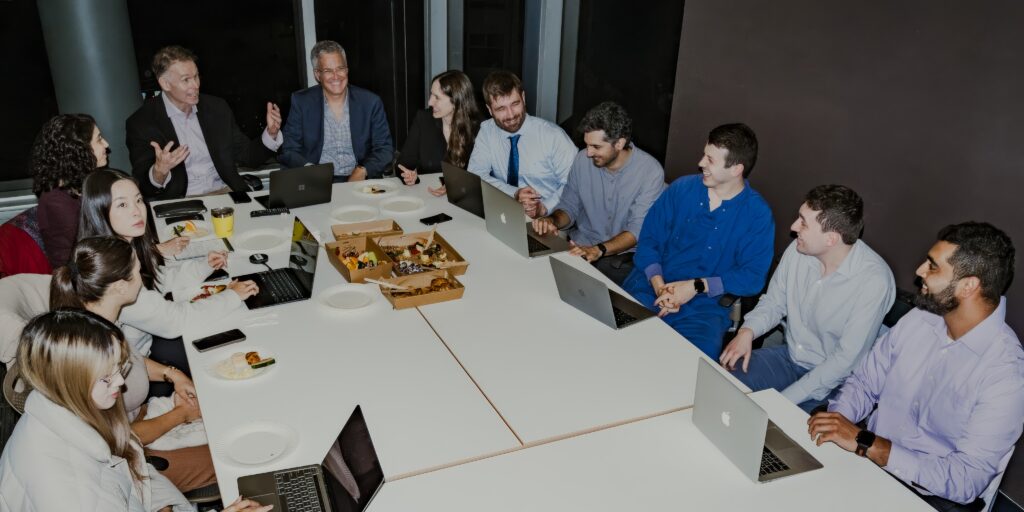
The group has attracted competitive and industry research funding across its core themes. Total research funding exceeds $4M across the program’s history. Recent and significant grants include:
Sanofi Global Type 2 Pathways Scheme — Spatial mapping of dupilumab-induced molecular changes in nasal polyp eosinophilia and type 2 inflammation (2023, $1.47M over 3 years)
GSK — Australian Mepolizumab Registry for Chronic Rhinosinusitis with Nasal Polyps (2022, $880,000 over 2 years)
GSK — GeoMx high-plex spatial profiling to determine the mechanism of action for mepolizumab in refractory nasal polyposis (2020, $250,000)
Cancer Council NSW — Genetic stratification of tumours of the head, neck, pituitary, and skull base (2015, $360,000 over 3 years)
Medtronic — Educational training courses and rhinology tissue bank development (2011, $228,000)
Karl Storz — Establishment of endoscopic training facility (2010, $400,000)
SELECTED PUBLICATIONS
A full publication list is available via Google Scholar and Scopus. Selected recent and landmark publications by theme are listed below.
Nose & Sinus on YouTube
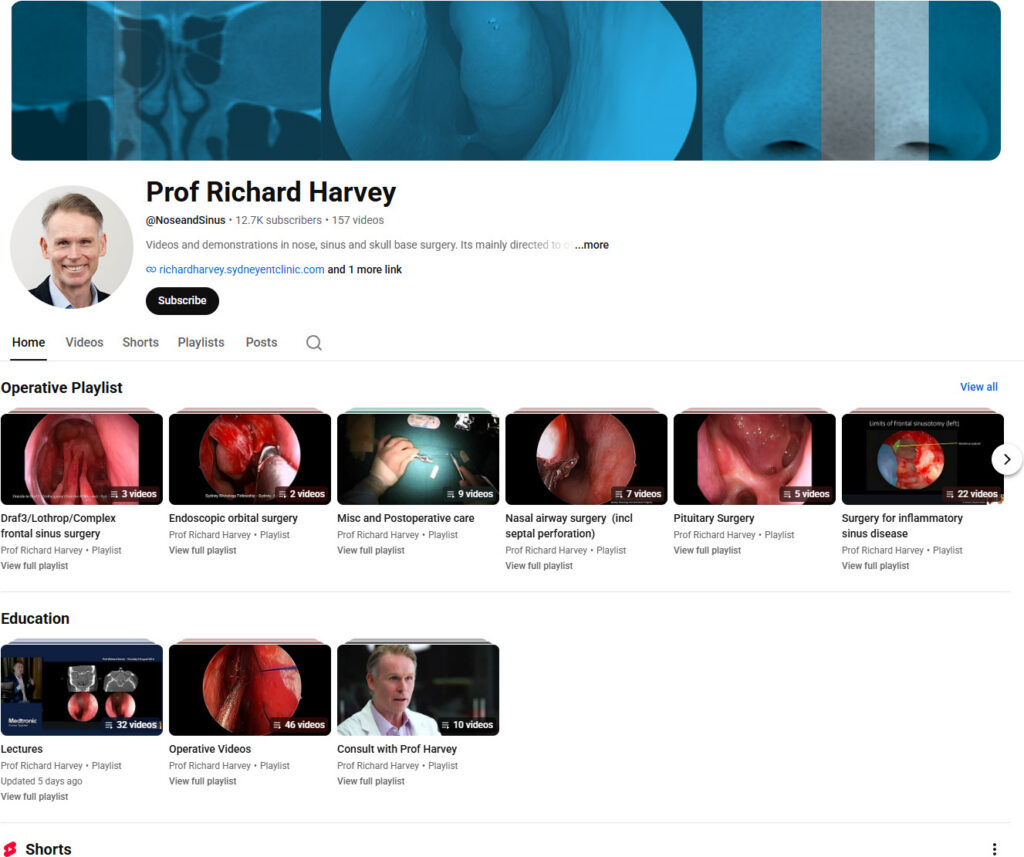
Our YouTube channel is one of the most widely used free resources in rhinology — covering surgical techniques, clinical decision-making, disease management, and research updates. Used by surgeons, trainees, and researchers across the world. It is one of the most common ways that visiting observers first encounter our group’s work.