-
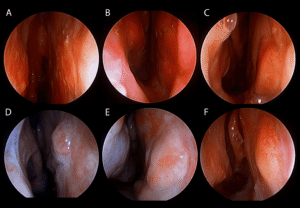 Septal Perforation Repair Has Come a Long Way: Why Closure Is No Longer EnoughModern septal perforation repair has moved beyond simply closing a hole. Healthy mucosa, vascularised reconstruction, free mucosal grafts and careful...Read more
 -
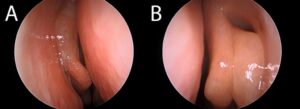 Central Compartment Atopic Disease (CCAD): The Defining Clinical FeaturesCCAD is not simply a characteristic pattern on sinus CT. Its defining features are an allergic clinical history and central...Read more
 -
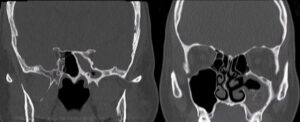 Fungal Ball of the Sinuses: Treat the Failed Sinus, Not Just the FungusFungal balls of the maxillary and sphenoid sinuses are not the primary disease. They are markers of failed mucociliary clearance...Read more
 -
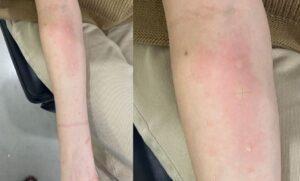 When a Negative Allergy Test Does Not Rule Out AllergyA negative skin-prick or blood allergy test does not always exclude clinically important nasal allergy. Local allergic rhinitis, middle turbinate...Read more
 -
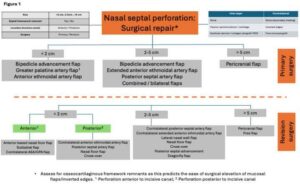 Large Septal Perforations: Why“Too Big to Fix”Is No Longer the Right AnswerLarge septal perforations are often dismissed as too big to fix. Modern endoscopic reconstruction uses vascularised flaps, everted-edge techniques, and...Read more
 -
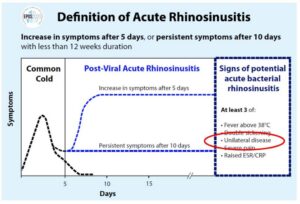 Recurrent Sinusitis or Rhinitis? Why It May Not Be InfectionBilateral congestion, pressure and mucus are often caused by viral or allergic rhinitis rather than bacterial sinusitis. This article explains...Read more
 -
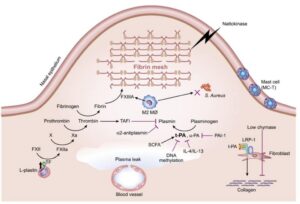 A Nasal Polyp Is Not a DiagnosisThe word polyp describes what is seen in the nose, but not the disease that caused it. This article explains...Read more
 -
 Why Immunotherapy Should Not Be the Last Step in Allergic RhinitisPersistent allergic rhinitis is often managed with sprays and antihistamines, but house dust mite allergy may last for decades. This...Read more
 -
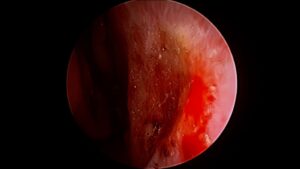 Nose Picking and Septal Perforations: Why Crusting Keeps Coming BackNose picking is common and usually harmless. But in patients with chronic septal crusting, septal ulceration, septal perforation or early...Read more
 -
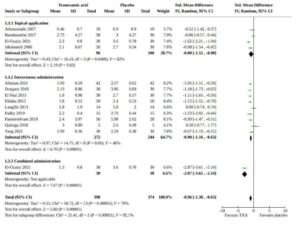 Bloodless Sinus Surgery: How Surgeons Improve the Endoscopic FieldA clear surgical field is central to safe and complete endoscopic sinus surgery. Bleeding degrades orientation, prolongs surgery and can...Read more
 -
 Blocked Nose, Normal Airflow: When Nasal Surgery May Be Low ValueA blocked nose is not always a surgically correctable airway problem. The inferior turbinates are dynamic vascular structures, and symptoms...Read more
 -
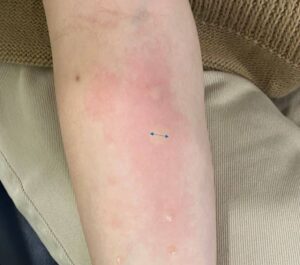 Septal deviation and big turbinates is not a diagnosisPatients with progressive bilateral nasal congestion are often told they have a “septal deviation and enlarged turbinates”. But these are...Read more
 -
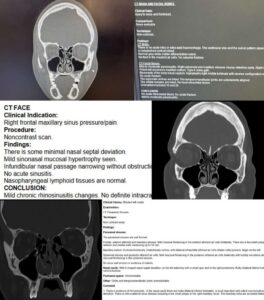 Why ENT Surgeons Must Review Sinus CT Scans — Not Just the ReportSinus CT reports often describe minor mucosal changes that may not represent disease. This article explains why ENT surgeons must...Read more
 -
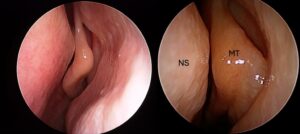 Septal Swell Body The Overlooked Cause of Nasal ObstructionThe septal swell body is often ignored in nasal obstruction surgery, yet evidence shows it plays a major role in...Read more
 -
 Watery Nose Treatment: Why PNN Surgery and Septal Swell Body MatterA persistent watery nose is often driven by neurogenic mechanisms rather than allergy. Modern treatment focuses on targeted nerve surgery...Read more